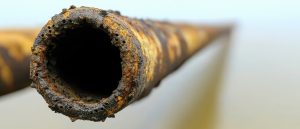
Pipe corrosion isn’t just a plumbing nuisance—it can quietly damage your home, your water quality, and your wallet. Whether you’re a homeowner, property manager, or just someone who wants to keep things flowing smoothly, here’s what you need to know.
Can Pipe Corrosion Be Prevented?
Yes—and prevention is far easier (and cheaper) than repair. Try these proactive steps:
- 🧼 Clean pipes regularly to remove mineral buildup
- 🎨 Apply anti-corrosion coatings or rust-resistant paint
- 🌫️ Use vapor barriers to limit moisture exposure
- 💧 Install water filters to reduce acidity and mineral content
- 🧪 Add corrosion inhibitors like phosphates to your water system
- 🔩 Insulate or separate dissimilar metals to avoid galvanic corrosion
- 🔧 Secure loose pipes to prevent friction and wear
Can You Fix a Corroded Pipe?
Small patches of rust can sometimes be treated:
- Brush away surface rust or use a mild acidic solution
- Apply epoxy or use clamp fittings for minor damage
- Severely corroded or leaking pipes? Replacement is usually the safest bet
What Causes Pipe Corrosion?
Corrosion happens when metal pipes react with water, oxygen, and other substances. Common culprits include:
- Acidic or hard water
- High oxygen levels
- Harsh drain cleaners
- Hot water exposure
- Bacteria and sediment
- High water velocity
7 Warning Signs of Pipe Corrosion
- Rusty or Discolored Water
Brown, blue, or green water often means your pipes are rusting from the inside out.
- Metallic Taste or Smell
Water that tastes like metal—or smells off—could be carrying bits of corroded pipe.
- Temperature Swings
Hot water can accelerate corrosion, leading to unpredictable temperature changes mid-shower.
- Low Water Pressure
Rust and mineral buildup narrow the pipe’s interior, reducing flow and pressure.
- Frequent Clogs
Corrosion can trap debris and cause recurring blockages in your plumbing system.
- Leaks and Water Stains
Persistent drips or unexplained puddles may point to tiny holes caused by corrosion.
- Visible Rust or Oxidation
Check exposed pipes for reddish-brown or bluish-green powdery buildup—if it’s outside, it’s likely inside too.
When to Call a Pro
If you notice any of these signs, don’t wait. A licensed plumber can assess the damage, recommend repairs, and help prevent future corrosion. Catching it early can save you thousands in water damage and pipe replacement.
About Paradigm Plumbing
When considering a professional plumber, call the experts at Paradigm Plumbing. From water heaters to filtration systems, and all of your plumbing needs, the experts at Paradigm Plumbing are here to help you. They are a licensed and insured plumbing service company that has been serving residential and commercial customers throughout Palm Beach County since 2001. For more information, call (561) 841-9008.
# # #


Leave a Reply